801-627-1020

FINANCING AVAILABLE

Kool Breeze Inc Awnings Ogden Utah

Kool Breeze Inc.

Contact us
  • Cover Types
    • Patio Covers
    • Wrap Kits
    • Window Awnings
    • Pergolas
    • Carports
    • Commercial Covers
    • Insulated Covers
  • Enclosed Rooms
    • Screen Rooms
    • Sunrooms
  • Solar Shades
    • Drop Curtain
    • Rolling Shutters
    • Solution Screens
  • Patio Accessories
    • Patio Furniture
    • Traeger Grills
  • Gallery
  • About Us
    • Contact Us
    • Reviews
    • Areas We Serve
    • Blog
    • Our Warranty

Can Window Awnings Handle Heavy Snow?

Home | Awnings

window awnings and heavy snow

Utah is known for its heavy snowfall and harsh winters, which can lead to roof damage, cracked concrete, and mold growth. However, Utah also has hot weather during the summer months, forcing residents to cope with the two extremes and make their homes adaptable. Window awnings are one popular additive that can help keep a home cooler in the summer, but what happens when the winter weather begins to creep in?

Snowfall can add up quickly and become extremely heavy on roofs, carports, and windows. Let’s take a closer look at how window awnings can handle heavy, wet snow and if there is a way for your awnings to be better prepared for the upcoming season. 

The Dangers Of Heavy Snow

Letting snow pile up on your home, car, or a nearby tree can lead to potential dangers to your safety and the inanimate objects it is resting on. Letting snow build up could cause structural collapse, broken tree limbs, power outages, and water leaks as the snow melts into small cracks. Falling trees and power lines could leave you without heat or light during the dark and cold winter nights. Removing heavy snow from your roof and from around electrical components will lower the risk of these dangers and lengthen the life of your home. 

Design Features That Help With Snow Resistance

In order to protect your window awnings and your home, there are a few key design features that help ensure that snow slides off or melts quickly enough to prevent damage. Choosing the right design for your window awnings can allow them to remain intact throughout the winter season. 

Pitch

The pitch of a roof or awning is the degree/steepness of the slope. Having the right angle can help make it easier for snow and rain to slide down into your gutters, preventing pressure on the weaker components. If you are unable to choose a higher pitch option, especially when it comes to windows, you may need to choose an awning with a high snow-load rating.

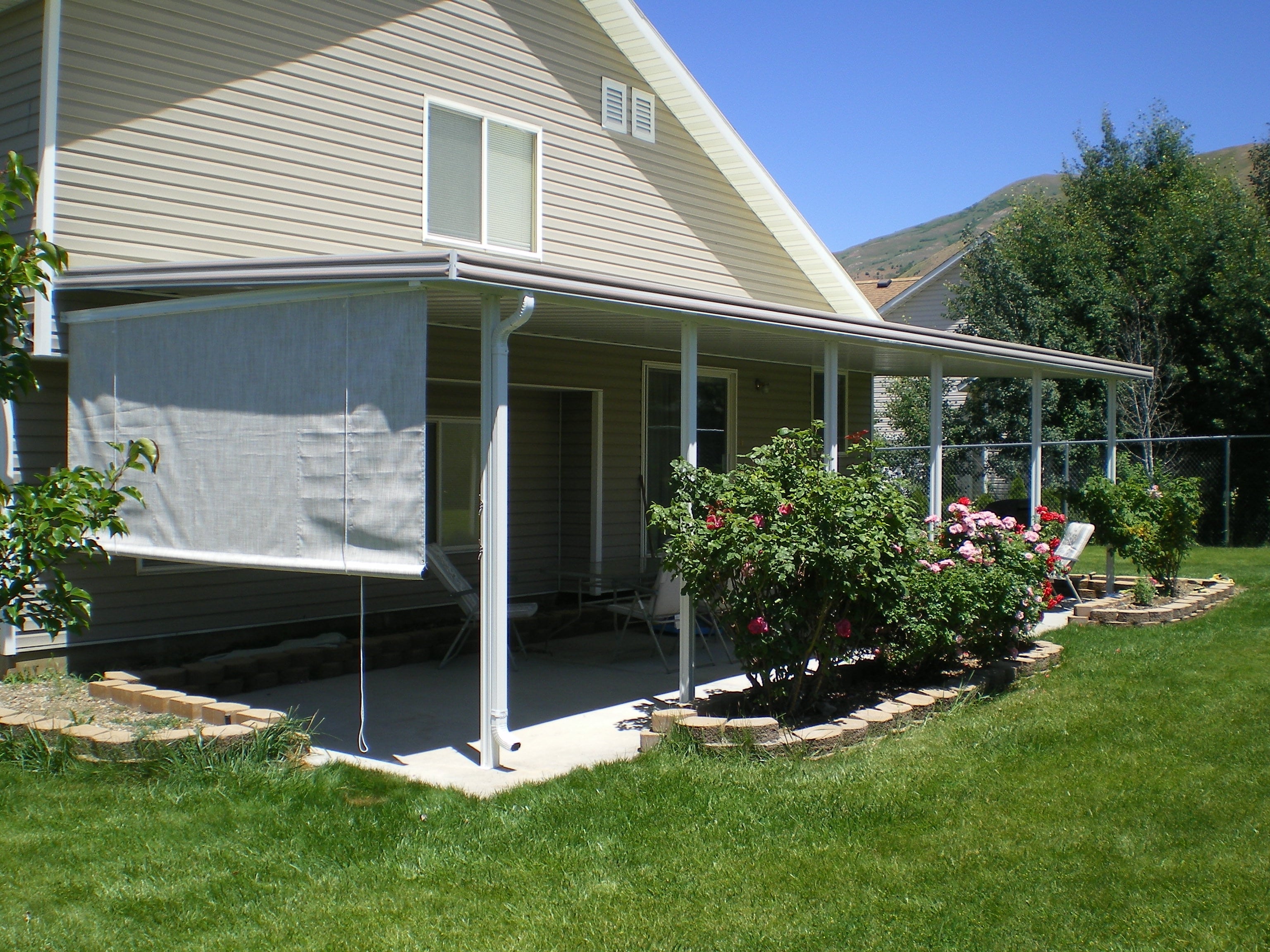
Kool Breeze Inc. Window Awnings Ogden Utah

Coating

Coating the metal or wood of your awning can help the snow melt quickly, or make the surface more slippery so that moisture will glide right off. Adding a coating to awnings will protect them from forming ice dams, harmful icicles, and large buildups that could cause them to break off. Teflon, acrylic, or polyurethane coatings will help the heavy snow slide right off.

Material

The material of the window awnings also plays a role in snow accumulation. Some materials get colder than others, allowing snow or rain to freeze once it touches the surface. Choosing a material with a lower freezing point or adding a coating to the awning to keep it from freezing will prevent snow accumulation.

Materials That Are Best Suited For Snow

There are a few materials that are better suited for snow, rain, and heavy debris when it comes to awnings. Choosing a water-resistant material and one that can handle heavy materials will protect your window or home from extensive damage. 

One of the best materials for awnings is metal, because of its ability to withstand moisture and heavy snow. Metal awnings are able to hold significant weight and have a long lifespan. However, choosing the right metal is also important to avoid rust and corrosion. Stainless steel or galvanized steel are great options for a moist climate. 

While canvas fabric is not waterproof, when it is used for awnings, it is dipped in a weatherproof coating to help it resist moisture. Canvas fabric is commonly used for patio awnings, but can be used for window awnings, too. Fabric awnings will not be able to hold as much snow as metal or plastic materials. 

Acrylic fabric is rated for winter weather because of the material’s natural water-resistant qualities. The synthetic fabric doesn’t need a coating, but if you live in a climate with frequently changing temperatures, it could impact the longevity of the fabric. 

Retractable Awnings Are Best For Snow-Heavy Climates

Having retractable or roll-up awnings is the best option for climates with heavy snow because they can be used and left extended during the summer, fall, and spring, but put away during the winter. Retractable awnings can be used over multiple windows, providing shade and a cool interior during the summer. Retractable awnings are the best for harsh winter weather because they can be kept out of the way as the snow rains down around them. 

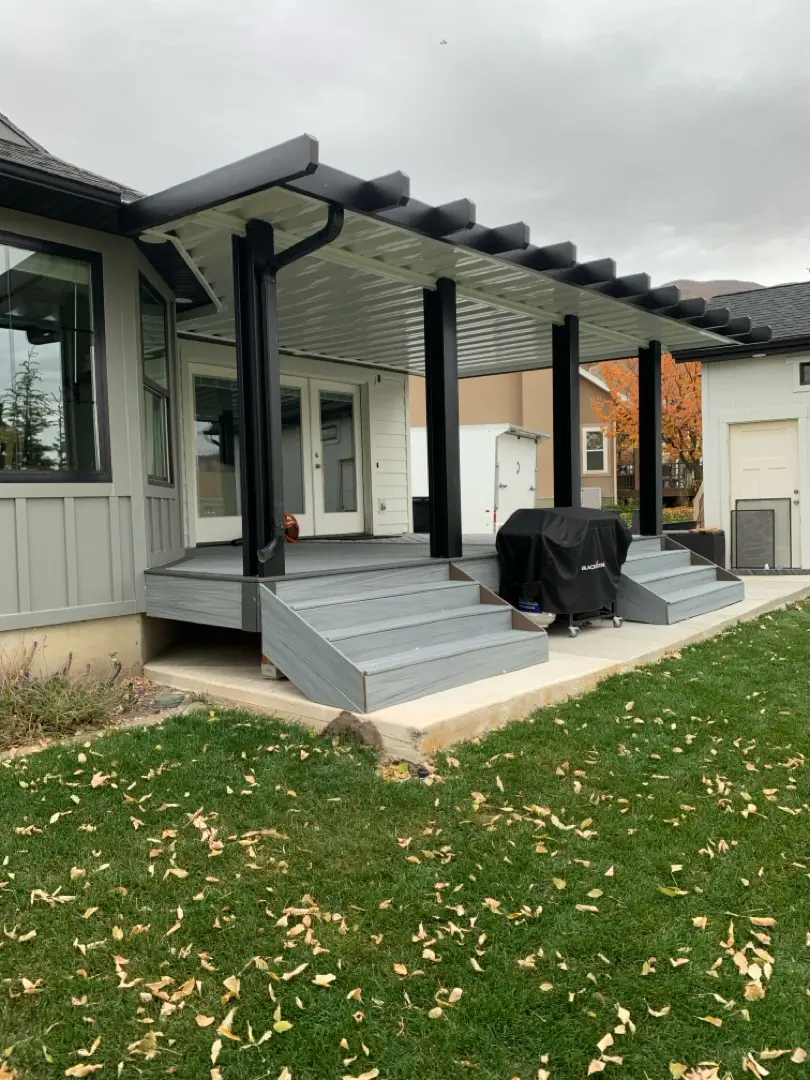
Kool Breeze Inc. Patio Awning Ogden Utah

Window Awnings From Kool Breeze

Kool Breeze has been providing durable coverings for homes in Utah since 1947. Our shades and coverings are made to last through all different weather conditions to keep your home protected and energy efficient. Kool Breeze has created shade options for homes of all sizes, helping them to achieve their landscaping and entertainment space dreams. Reach out to us to install a carport, awning, solar shade, or build an enclosed room today!

Filed Under: Awnings

Best patio cover materials

A patio cover can play many roles when installed on or near your home. When done correctly, patio covers can provide an extension of your living space, allowing you to enjoy backyard relaxation without stress. Durable patio cover materials are also necessary to lower the heat around the home and patio area. Choosing the right material for your specific climate, home design, and patio size is essential to a long-lasting patio cover. This blog will look at different materials often used for patio covers and how they compare in durability, moisture resistance, cost, longevity, and more. 

Aluminum

One of the most popular materials for patio covers, awnings, and carports is aluminum. The reason this material is so popular is that it is lightweight, making it easy to install and maintain, but it still remains durable through different weather conditions. 

For homes in Utah, having moisture-resistant materials is crucial for the heavy winters. Aluminum is water-resistant because of its ability to form a protective layer. When aluminum is exposed to oxygen, it forms an aluminum oxide layer that prevents any chemical reactions and further corrosion. This makes it great for a patio cover, as snow and rain will not weaken the material.

When it comes to using aluminum for patio covers, the price per square foot can vary from other aluminum projects. The typical range for aluminum is around $40-60 per square foot when used for patios. While it is not the most expensive material, aluminum costs can add up if you want a large cover, added insulation, or movable parts. 

Vinyl

Another low-maintenance option that remains durable through summer and winter weather is vinyl. This popular material is used for patio covers in multiple climates because it is resistant to rot, rust, and corrosion. With all of their benefits, vinyl patio covers aren’t as well insulated as other materials, which could lead to hotter temperatures around the home or on your patio.

Vinyl is inherently waterproof, making it the top choice for flooring and outdoor settings. This material does not require sealing or painting in order to withstand the weather, making it a more time-effective option for homeowners. Snow, rain, and other moisture won’t seep through your patio cover, keeping furniture and other belongings dry during a storm. You can enjoy your outdoor patio as the rain or snow falls around you without fear of getting wet. 

The cost of vinyl is something that varies depending on the supplier and location. Vinyl can range from $25-80 per square foot and can increase in price based on the type of vinyl (luxury or other) and the complexity of the patio cover. Larger patios, L-shaped designs, or complex layering will increase the overall cost of patio construction with vinyl. 

Wood

Wood has been a popular construction material for years, but it is not well suited for everything. Working with wood can be a more budget-friendly option, but it often doesn’t have the same durability as other materials. While wood may not have as long a lifespan as aluminum or vinyl, it is easy to implement into any home or landscape design. Different wood varieties, grain patterns, and coloring can help your patio cover blend seamlessly into your architectural design. 

The Best Patio Cover Materials: Durability, Moisture Resistance, Cost And More

Using wood for a patio cover is not ideal for climates with high humidity, rainfall, or snow. It is prone to rotting and warping, which can lead to frequent replacement of your patio cover. Wood will need to be sealed before installation, and at least once a year to keep moisture out. Some woods are more resistant than others, including redwood and cedar, but still benefit from a proper sealant if you want to keep your patio cover durable. 

At $25-40 per square foot, wood is often a cheaper option for your patio. However, with the added maintenance costs, the need for sealant, and the shorter lifespan, you could end up paying just as much as any other cover material. For homes that need a budget friendly and more temporary solution, wood can be a great option. Wood patio covers may feel more natural and inviting, but they are not built for every climate. 

Fiberglass

One of the most durable materials for patio covers is fiberglass. It is known for its durability against debris and weather, making it great for homes in Utah and other climates. These patio covers have withstood heavy wind and rain, making them one of the longest-lasting materials on the market for patio cover construction. 

Due to its durable makeup, fiberglass is great at preventing moisture from seeping into the patio below. The glass fibers are coated in a resin that keeps water from seeping into the material, making it even able to withstand full submersion. Make sure you purchase fiberglass material that is properly coated, or coat it yourself, before using it as a patio cover. 

One of the downsides of fiberglass is its higher cost. It can cost anywhere from $30-70 per square foot to have a fiberglass covering, but a new cover can last you up to 30 years, making the upfront investment more manageable. Once it is installed, though, fiberglass requires minimal maintenance and can easily be cleaned by the homeowner. Saving on maintenance and repair costs makes this material worth the higher installation costs.

Patio Covers From Kool Breeze

If you are looking for a shaded and protective patio cover, Kool Breeze has the best options for you. We have been working with homes in Ogden, Utah, and the surrounding area for many years. Allow the experts to help you achieve a cooler and more aesthetic home with patio covers, enclosed rooms, carports, and more!

Filed Under: Awnings

solar shades vs blackout shades

Letting natural light into your home is important, but not all the time. Especially when you are trying to sleep, or keep your home cool in the summer, or have more privacy, you may not want your shades to let in any sunlight. Solar shades and blackout shades can help protect your home from overheating or blinding early morning sunlight. 

How can homeowners or apartment renters know which shade option is best for their space? Is one option better for different climates or weather conditions? Let’s dive into the difference between the two window shade options and how they can both serve different purposes. 

What Are Solar Shades?

First, we will look at solar shades. These shades can filter sunlight to let in the perfect amount of sunlight without causing damage to your furniture or your skin. Solar shades are made from woven materials, typically a mix of synthetic fibers and polyester, which creates an open weave. The openness or thickness of the shade determines how much light is let through. These shades help protect your belongings from sun fading, allow you to reduce glare on TVs and other screens, and improve interior temperature.

What Are Blackout Shades?

Blackout curtains or shades are used to stop all light from entering a room. These shades are often used to help people sleep during the daylight hours, have better privacy, and reduce sun damage to fragile materials. Blackout curtains are made from tightly woven fabrics or special backing that prevents the light from reflecting into the room. Blackout shades insulate a room and block harmful rays that can cause damage or unsafe interior temperatures. 

Placement Of The Shades

Depending on where you want to put sun-blocking shades, there may be certain options that will work better than others. Different shades will be more beneficial for different rooms and at different times of the year. Let’s look at the common rooms in your home and what shade will best compliment the space.

Living Rooms

Your living room should feel warm and inviting to your family and guests. For this reason, solar shades are a good option for letting in just enough light to brighten the space without causing glare or hot spots. Solar shades can also be paired with curtains so you can let in light at certain times and block it out during others. Solar shades provide UV protection while still providing a connection to the outdoors.

Bedrooms

Sleeping and privacy are crucial when it comes to a bedroom, so the best option for them is blackout shades. Having a dark and private environment is best for uninterrupted rest, quiet nights, and relaxing activities. Adults who are light sleepers can benefit from blocking out all car lights, sunlight, or security lights. 

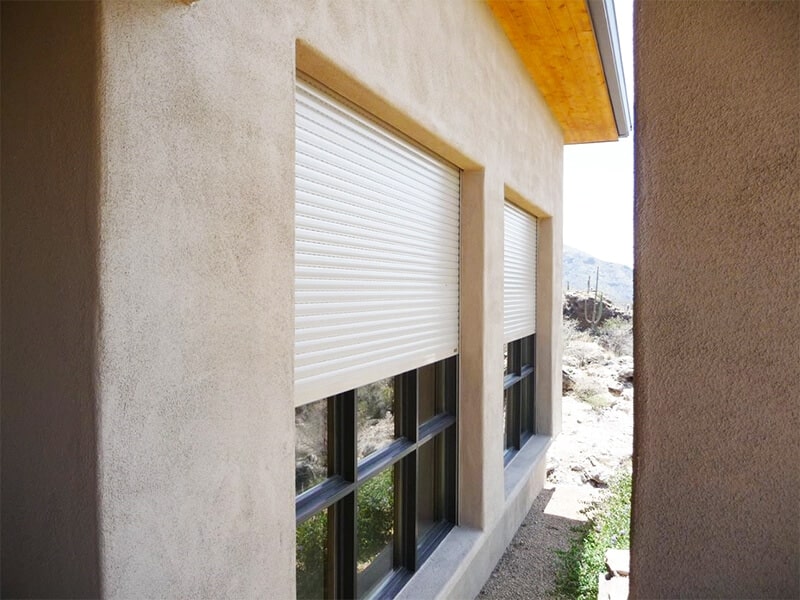
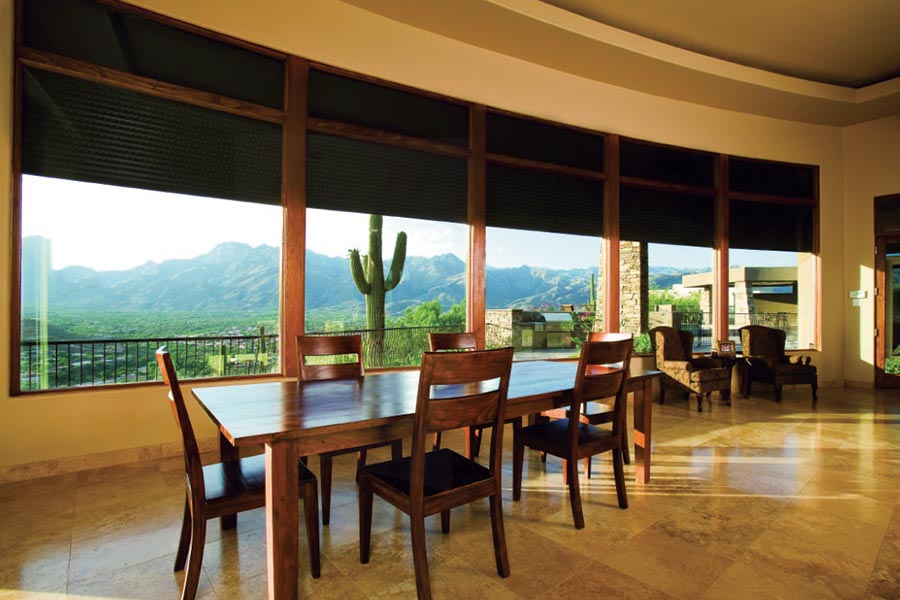
Rolling Shutter in Ogden Utah

Office

When you work from home, seeing the sunlight or the surrounding landscape can make the day go by much faster. Solar shades are recommended for offices because they can help reduce glare on your computer screens without making the office feel dark and uninviting. Solar shades will help keep the space bright and increase your Vitamin D, which will boost productivity. 

Nurseries/Children’s Rooms

Depending on the age of the child, dark rooms can be helpful for bedtime and nap time. Blackout shades can help reduce noise and light and create a peaceful environment for children. This can be helpful for keeping onlookers from seeing into a child’s bedroom as well. While you may not want to consider that someone is looking in your child’s window, it is best to err on the side of caution.

Can You Combine Both Shades?

Some homeowners may want the benefits of both shade options, and while you can put different shades in different rooms, you can combine solar shades and blackout shades on one window. Dual roller shades can be installed to allow you to switch between the different materials depending on the time of day or the season. This option gives you more flexibility of the amount of light you let into your home and the interior temperature.

Solar Shades From Kool Breeze

Kool Breeze offers different solar shade options for homeowners in Utah. These options will help reduce glare, provide privacy, and improve energy efficiency. Our team provides quality shade materials that are automated and durable to provide you with sun protection. Kool Breeze is locally owned and has over 75 years of experience installing window shades, pergolas, and enclosed rooms. If you want to extend your living space and enjoy the outdoors without the consequences, reach out to Kool Breeze today!

Filed Under: Awnings

  • 1
  • 2
  • 3
  • …
  • 16
  • Next Page »

Hours

Kool Breeze Inc.
3220 S 1900 W
Ogden, UT 84401
(801) 627-1020
Monday 8:00 AM - 5:00 PM
Tuesday 8:00 AM - 5:00 PM
Wednesday 8:00 AM - 5:00 PM
Thursday 8:00 AM - 5:00 PM
Friday 8:00 AM - 5:00 PM
Saturday Closed
Sunday Closed

Directions

Accreditations

bbb logo platinum dealer window sticker ogden weber chamber of commerce logo

Follow Us

Recent Posts

  • Can Window Awnings Handle Heavy Snow?
  • The Best Patio Cover Materials: Durability, Moisture Resistance, Cost And More
  • Year-Round Comfort: How Enclosed Rooms Can Keep You Protected And Comfortable
  • Preventing Mold And Mildew In Your Enclosed Room
  • Solar Shades Vs Blackout Shades: Which Is Right For Your Space

2025 | Kool Breeze Inc. | All Rights Reserved | Privacy Policy | Terms | XML Sitemap | Sitemap | Accessibility | Anti-Discrimination | Site by PDM