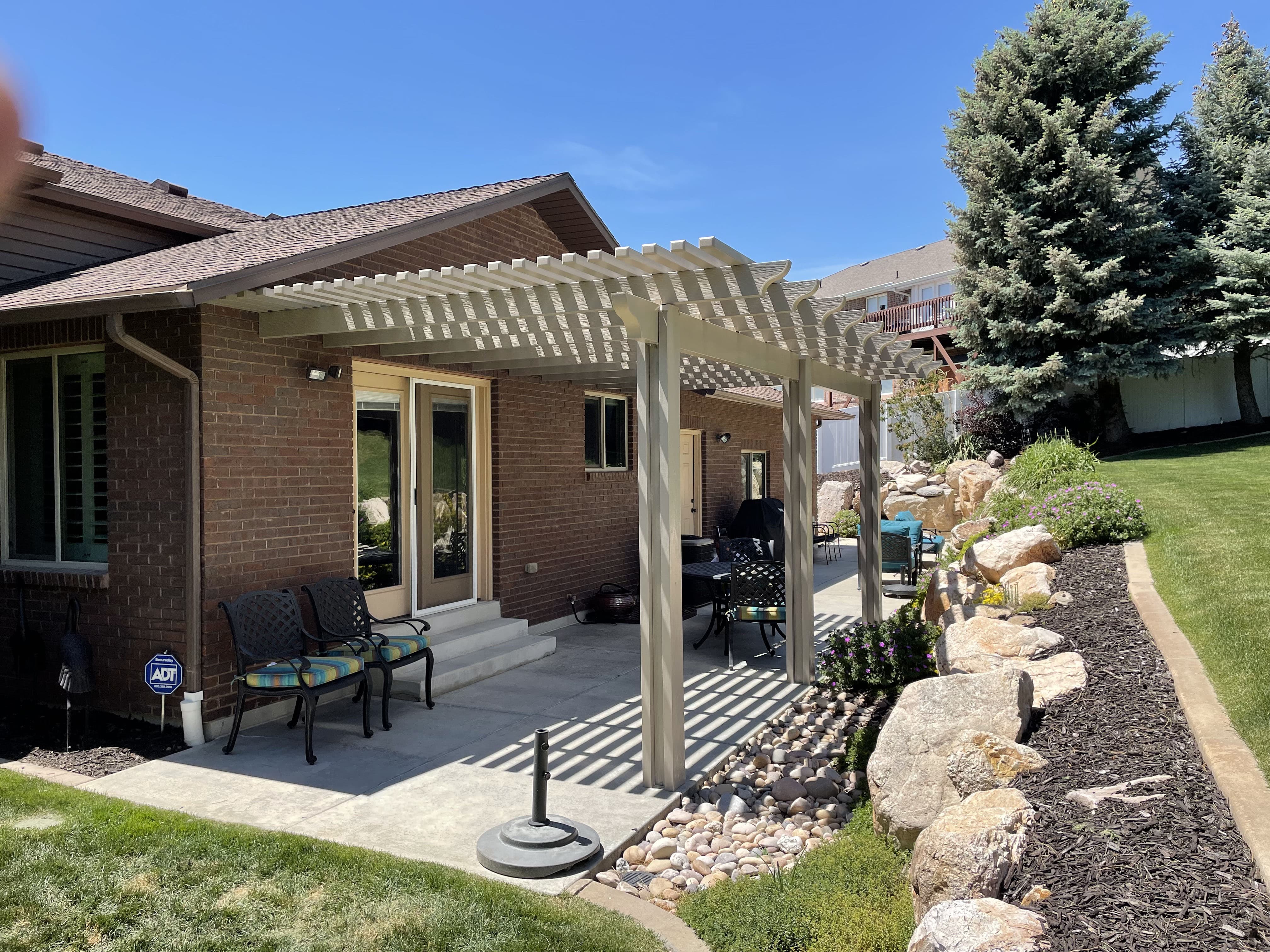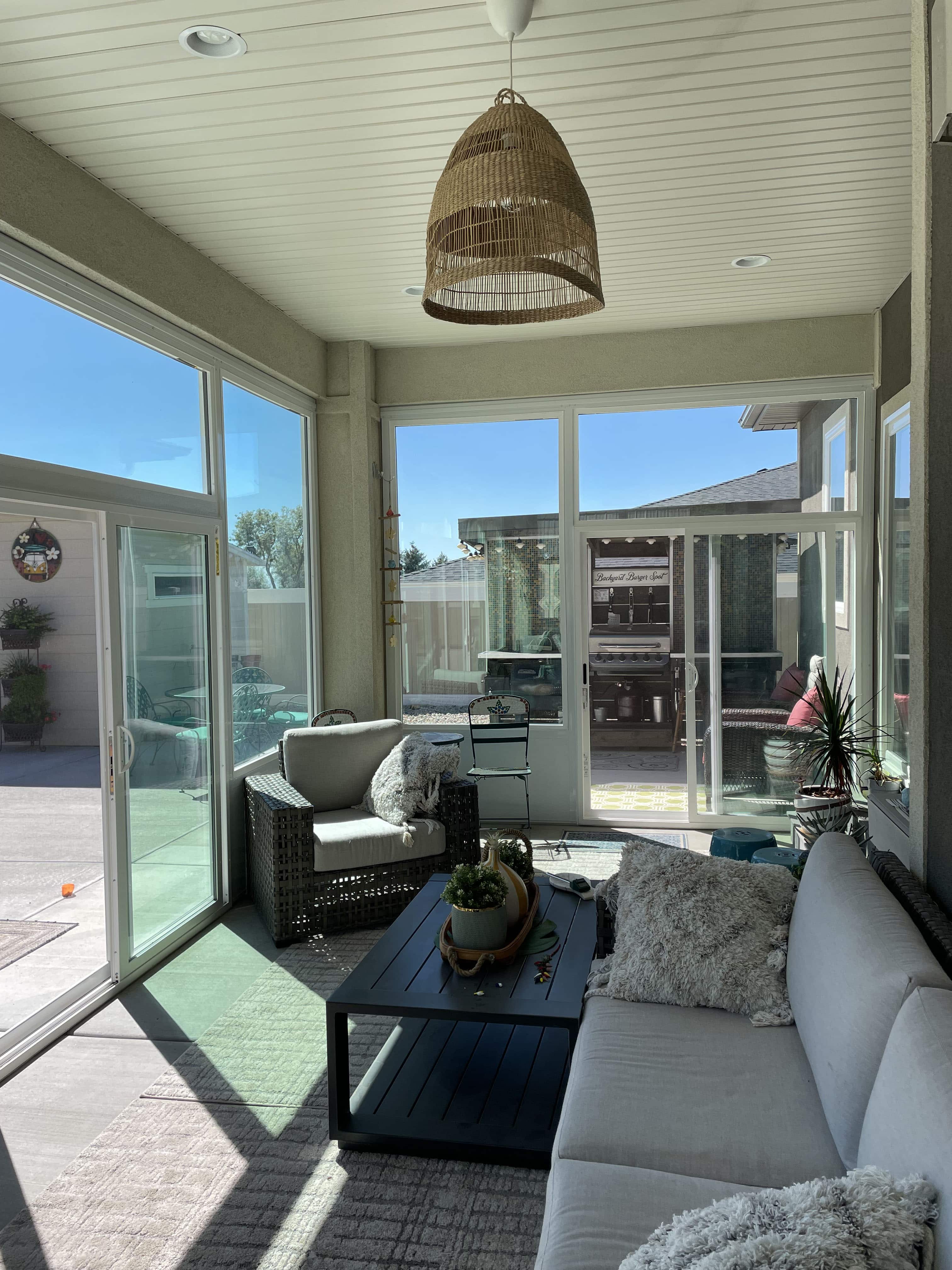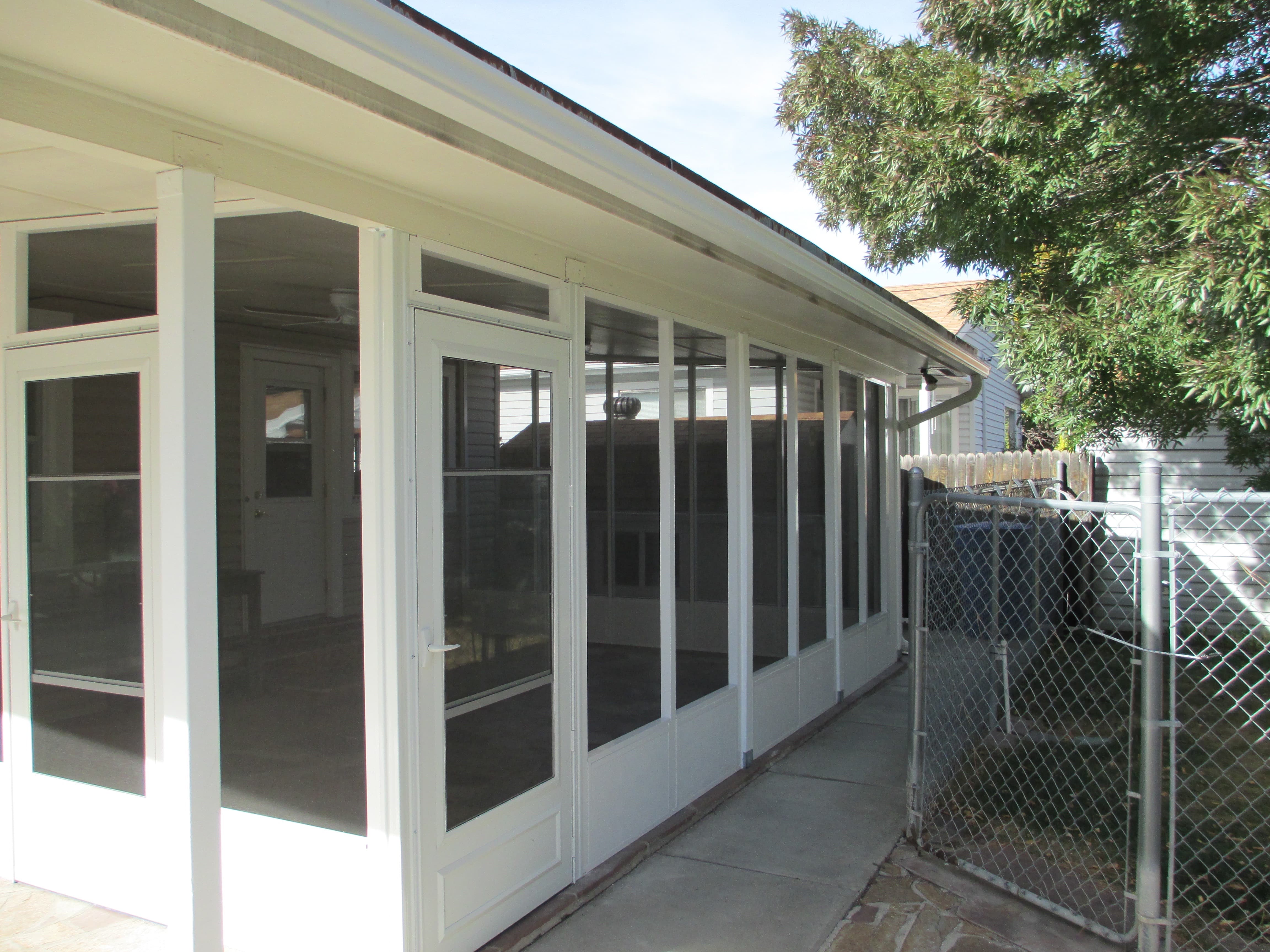
801-627-1020

FINANCING AVAILABLE

Kool Breeze Inc Awnings Ogden Utah

Kool Breeze Inc.

Contact us
  • Cover Types
    • Patio Covers
    • Wrap Kits
    • Window Awnings
    • Pergolas
    • Carports
    • Commercial Covers
    • Insulated Covers
  • Enclosed Rooms
    • Screen Rooms
    • Sunrooms
  • Solar Shades
    • Drop Curtain
    • Rolling Shutters
    • Solution Screens
  • Patio Accessories
    • Patio Furniture
    • Traeger Grills
  • Gallery
  • About Us
    • Contact Us
    • Reviews
    • Areas We Serve
    • Blog
    • Our Warranty

The Best Patio Cover Materials: Durability, Moisture Resistance, Cost And More

Home | Awnings | Page 2

Best patio cover materials

A patio cover can play many roles when installed on or near your home. When done correctly, patio covers can provide an extension of your living space, allowing you to enjoy backyard relaxation without stress. Durable patio cover materials are also necessary to lower the heat around the home and patio area. Choosing the right material for your specific climate, home design, and patio size is essential to a long-lasting patio cover. This blog will look at different materials often used for patio covers and how they compare in durability, moisture resistance, cost, longevity, and more. 

Aluminum

One of the most popular materials for patio covers, awnings, and carports is aluminum. The reason this material is so popular is that it is lightweight, making it easy to install and maintain, but it still remains durable through different weather conditions. 

For homes in Utah, having moisture-resistant materials is crucial for the heavy winters. Aluminum is water-resistant because of its ability to form a protective layer. When aluminum is exposed to oxygen, it forms an aluminum oxide layer that prevents any chemical reactions and further corrosion. This makes it great for a patio cover, as snow and rain will not weaken the material.

When it comes to using aluminum for patio covers, the price per square foot can vary from other aluminum projects. The typical range for aluminum is around $40-60 per square foot when used for patios. While it is not the most expensive material, aluminum costs can add up if you want a large cover, added insulation, or movable parts. 

Vinyl

Another low-maintenance option that remains durable through summer and winter weather is vinyl. This popular material is used for patio covers in multiple climates because it is resistant to rot, rust, and corrosion. With all of their benefits, vinyl patio covers aren’t as well insulated as other materials, which could lead to hotter temperatures around the home or on your patio.

Vinyl is inherently waterproof, making it the top choice for flooring and outdoor settings. This material does not require sealing or painting in order to withstand the weather, making it a more time-effective option for homeowners. Snow, rain, and other moisture won’t seep through your patio cover, keeping furniture and other belongings dry during a storm. You can enjoy your outdoor patio as the rain or snow falls around you without fear of getting wet. 

The cost of vinyl is something that varies depending on the supplier and location. Vinyl can range from $25-80 per square foot and can increase in price based on the type of vinyl (luxury or other) and the complexity of the patio cover. Larger patios, L-shaped designs, or complex layering will increase the overall cost of patio construction with vinyl. 

Wood

Wood has been a popular construction material for years, but it is not well suited for everything. Working with wood can be a more budget-friendly option, but it often doesn’t have the same durability as other materials. While wood may not have as long a lifespan as aluminum or vinyl, it is easy to implement into any home or landscape design. Different wood varieties, grain patterns, and coloring can help your patio cover blend seamlessly into your architectural design. 

The Best Patio Cover Materials: Durability, Moisture Resistance, Cost And More

Using wood for a patio cover is not ideal for climates with high humidity, rainfall, or snow. It is prone to rotting and warping, which can lead to frequent replacement of your patio cover. Wood will need to be sealed before installation, and at least once a year to keep moisture out. Some woods are more resistant than others, including redwood and cedar, but still benefit from a proper sealant if you want to keep your patio cover durable. 

At $25-40 per square foot, wood is often a cheaper option for your patio. However, with the added maintenance costs, the need for sealant, and the shorter lifespan, you could end up paying just as much as any other cover material. For homes that need a budget friendly and more temporary solution, wood can be a great option. Wood patio covers may feel more natural and inviting, but they are not built for every climate. 

Fiberglass

One of the most durable materials for patio covers is fiberglass. It is known for its durability against debris and weather, making it great for homes in Utah and other climates. These patio covers have withstood heavy wind and rain, making them one of the longest-lasting materials on the market for patio cover construction. 

Due to its durable makeup, fiberglass is great at preventing moisture from seeping into the patio below. The glass fibers are coated in a resin that keeps water from seeping into the material, making it even able to withstand full submersion. Make sure you purchase fiberglass material that is properly coated, or coat it yourself, before using it as a patio cover. 

One of the downsides of fiberglass is its higher cost. It can cost anywhere from $30-70 per square foot to have a fiberglass covering, but a new cover can last you up to 30 years, making the upfront investment more manageable. Once it is installed, though, fiberglass requires minimal maintenance and can easily be cleaned by the homeowner. Saving on maintenance and repair costs makes this material worth the higher installation costs.

Patio Covers From Kool Breeze

If you are looking for a shaded and protective patio cover, Kool Breeze has the best options for you. We have been working with homes in Ogden, Utah, and the surrounding area for many years. Allow the experts to help you achieve a cooler and more aesthetic home with patio covers, enclosed rooms, carports, and more!

Filed Under: Awnings

solar shades vs blackout shades

Letting natural light into your home is important, but not all the time. Especially when you are trying to sleep, or keep your home cool in the summer, or have more privacy, you may not want your shades to let in any sunlight. Solar shades and blackout shades can help protect your home from overheating or blinding early morning sunlight. 

How can homeowners or apartment renters know which shade option is best for their space? Is one option better for different climates or weather conditions? Let’s dive into the difference between the two window shade options and how they can both serve different purposes. 

What Are Solar Shades?

First, we will look at solar shades. These shades can filter sunlight to let in the perfect amount of sunlight without causing damage to your furniture or your skin. Solar shades are made from woven materials, typically a mix of synthetic fibers and polyester, which creates an open weave. The openness or thickness of the shade determines how much light is let through. These shades help protect your belongings from sun fading, allow you to reduce glare on TVs and other screens, and improve interior temperature.

What Are Blackout Shades?

Blackout curtains or shades are used to stop all light from entering a room. These shades are often used to help people sleep during the daylight hours, have better privacy, and reduce sun damage to fragile materials. Blackout curtains are made from tightly woven fabrics or special backing that prevents the light from reflecting into the room. Blackout shades insulate a room and block harmful rays that can cause damage or unsafe interior temperatures. 

Placement Of The Shades

Depending on where you want to put sun-blocking shades, there may be certain options that will work better than others. Different shades will be more beneficial for different rooms and at different times of the year. Let’s look at the common rooms in your home and what shade will best compliment the space.

Living Rooms

Your living room should feel warm and inviting to your family and guests. For this reason, solar shades are a good option for letting in just enough light to brighten the space without causing glare or hot spots. Solar shades can also be paired with curtains so you can let in light at certain times and block it out during others. Solar shades provide UV protection while still providing a connection to the outdoors.

Bedrooms

Sleeping and privacy are crucial when it comes to a bedroom, so the best option for them is blackout shades. Having a dark and private environment is best for uninterrupted rest, quiet nights, and relaxing activities. Adults who are light sleepers can benefit from blocking out all car lights, sunlight, or security lights. 

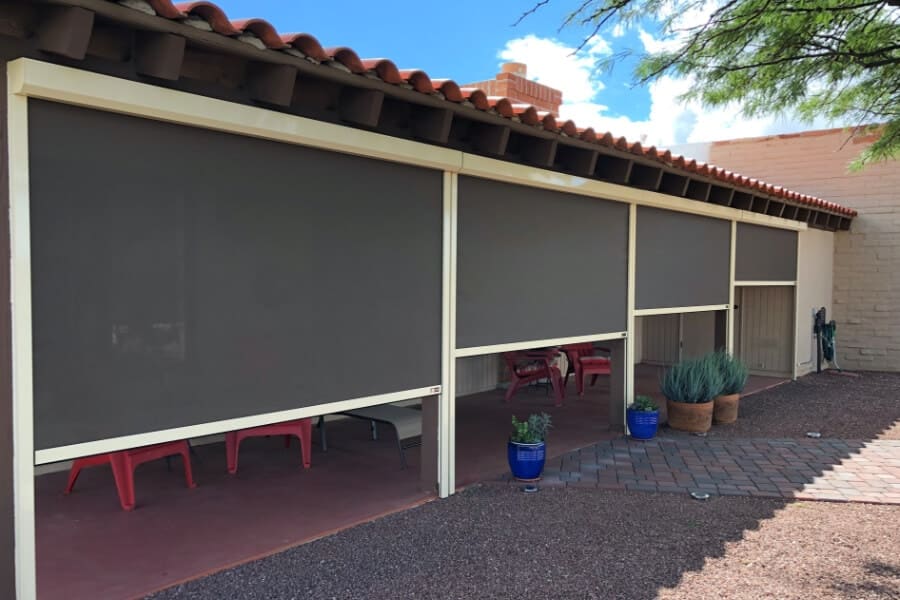
Rolling Shutter in Ogden Utah

Office

When you work from home, seeing the sunlight or the surrounding landscape can make the day go by much faster. Solar shades are recommended for offices because they can help reduce glare on your computer screens without making the office feel dark and uninviting. Solar shades will help keep the space bright and increase your Vitamin D, which will boost productivity. 

Nurseries/Children’s Rooms

Depending on the age of the child, dark rooms can be helpful for bedtime and nap time. Blackout shades can help reduce noise and light and create a peaceful environment for children. This can be helpful for keeping onlookers from seeing into a child’s bedroom as well. While you may not want to consider that someone is looking in your child’s window, it is best to err on the side of caution.

Can You Combine Both Shades?

Some homeowners may want the benefits of both shade options, and while you can put different shades in different rooms, you can combine solar shades and blackout shades on one window. Dual roller shades can be installed to allow you to switch between the different materials depending on the time of day or the season. This option gives you more flexibility of the amount of light you let into your home and the interior temperature.

Solar Shades From Kool Breeze

Kool Breeze offers different solar shade options for homeowners in Utah. These options will help reduce glare, provide privacy, and improve energy efficiency. Our team provides quality shade materials that are automated and durable to provide you with sun protection. Kool Breeze is locally owned and has over 75 years of experience installing window shades, pergolas, and enclosed rooms. If you want to extend your living space and enjoy the outdoors without the consequences, reach out to Kool Breeze today!

Filed Under: Awnings

best colors for awnings

Adding an awning to your backyard space can make it more comfortable, protect you from the sun, and create a space to host events. Awnings come in many different materials, types, and colors to choose from. When it comes to the color of an awning, it can be difficult to choose the best option to match your home and enhance the outdoor landscape. This blog will share some popular colors for awnings around your home, and what considerations you should keep in mind when looking for colors. 

Will Dark Colors For Awnings Be Too Hot?

Dark colored fabric, metal, or plastic will absorb more sunlight than lighter colors, so this can result in the surface of these materials being hot. However, just because you have a dark colored awning doesn’t necessarily mean the air underneath will rise in temperature. If you have an enclosed space with a dark colored exterior, the interior temperature will rise. A black awning will be hotter than a white one, but there are reasons you may benefit from a darker color. 

Most Common Awning Colors

The color of your awning contributes to more than just the temperature, it also impacts the overall appearance of your backyard. While you should take the exterior design of your home, your climate, and the surrounding landscape into consideration, there are some common colors that work well for most homeowners. Looking at the popular color choices can help you narrow down your options. 

Cream

Off-white, beige, and cream are popular choices for outdoor decor and shade options. Since lighter colors reflect sunlight, they help keep the patio space cool and provide a clean look. Cream or white awnings are also less likely to show dust and dirt compared to black ones. 

Brown 

Another neutral option that is often incorporated into exterior designs is brown or taupe. Using natural colors for awnings that are spotted outdoors will help your awning blend in with your home or landscaping. Brown can come in many shade variations, which means it can still keep your patio space cool, while also hiding dirt and stains. 

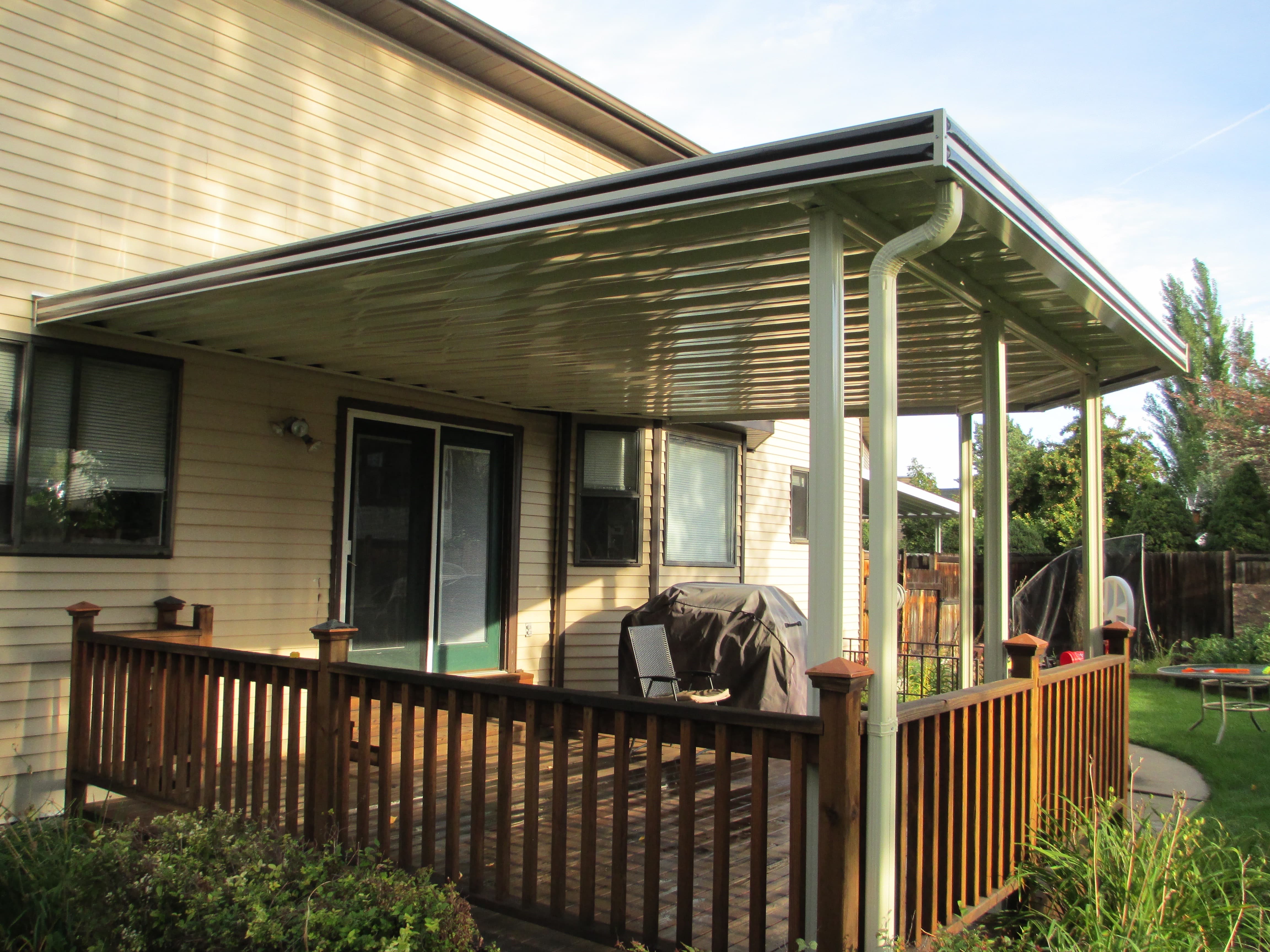
Commercial Awnings and covers ogden utah

Red

Whether you choose a bold red or a more natural dirt red, this awning color will boost your outdoor appeal. The pop of color will make your lounge space stand out, while a reddish brown will help the space feel adventurous and natural. 

Blue

While blue is not considered a neutral, it is another popular choice for awnings. It can be similar to red, making your awning pop against the rest of the background, or it can be used to help blend the awning into the sky or mountains. Blue evokes calm feelings, so it is best used around lakes, oceans, or in a lush area. 

Should You Choose A Patterned Awning?

Stripes and geometric shapes can be implemented on your fabric awning materials. These patterns can help conceal some of the debris that can line your awning, while also giving your backyard more visual appeal. Patterns that are too busy can be overwhelming to look at, but simple patterns can give your patio an eclectic feel.

Awning Colors That Match Your Home’s Exterior

The best way to choose an awning color is to match it to your siding, brick, or roof materials. When matching the color, it can be helpful to take samples of your siding or roof with you to purchase an awning. If you don’t have samples, try taking photos during different times of the day to get the most accurate color. While it is not essential that the awning be the exact color of your exterior, a close match will help the space feel cohesive. 

If you have window awnings, matching the awnings to another contrasting color on the home will make the space look well-maintained. If the awnings match your siding, it could cause your windows to look too short or oddly shaped. Choose the color of your roof or shutters when implementing window awnings. 

Appearance Of Dirt Or Debris

Choosing a color that can hide bird droppings, dirt, and twigs will help save you time on frequent awning cleaning. While it is impossible to keep your awning free of debris at any moment, lighter colors or patterns can help disguise the mess. Light beige or browns will hide most debris from being noticeable, allowing you to entertain without stressing about the cleanliness of the awning. Black and striped awnings will show the most dirt and debris. 

The Best Colors For Awnings: A Guide To Elevating Your Outdoor Space

Coverings From Kool Breeze

Kool Breeze offers many shading options for your home or business. No matter the color, our awnings, carports, and shades will give you more usable space around a home. Our team offers the highest quality materials and modern offerings to help give you an outdoor entertaining space or sun protection that will last a lifetime. Learn more about our options or get an estimate by filling out our contact form.

Filed Under: Awnings

  • « Previous Page
  • 1
  • 2
  • 3
  • 4
  • …
  • 17
  • Next Page »

Hours

Kool Breeze Inc.
3220 S 1900 W
Ogden, UT 84401
(801) 627-1020
Monday 8:00 AM - 5:00 PM
Tuesday 8:00 AM - 5:00 PM
Wednesday 8:00 AM - 5:00 PM
Thursday 8:00 AM - 5:00 PM
Friday 8:00 AM - 5:00 PM
Saturday Closed
Sunday Closed

Directions

Accreditations

bbb logo platinum dealer window sticker ogden weber chamber of commerce logo

Follow Us

Recent Posts

  • How To Choose The Best Patio Furniture Arrangement 
  • Taking A Closer Look At Insulated Patio Covers
  • Comparing Screened-In Porches And Glass Enclosures 
  • Can Window Awnings Handle Heavy Snow?
  • The Best Patio Cover Materials: Durability, Moisture Resistance, Cost And More

2026 | Kool Breeze Inc. | All Rights Reserved | Privacy Policy | Terms | XML Sitemap | Sitemap | Accessibility | Anti-Discrimination | Site by PDM